
16 december, 2022 | Auteur: Noémi Prent, Sylvana van den Braak | Trefwoord: lost-in-europe-summerschool
Angels of Palermo - Part 2
The Dutch feminist magazine OPZIJ talks to Osas Egbon, Maria Chiara Monti and Masuma Akther who, despite the setbacks, engage on bettering the life of women in Palermo. For Lost in Europe, we translated the series.
The Italian Maria Chiara Monti (1976) is psychotherapist and ethnopsychologist. She is also the director of Centro Penc, a shelter for (migrant)women and their children who have been victim of sexual assault or human trafficking.
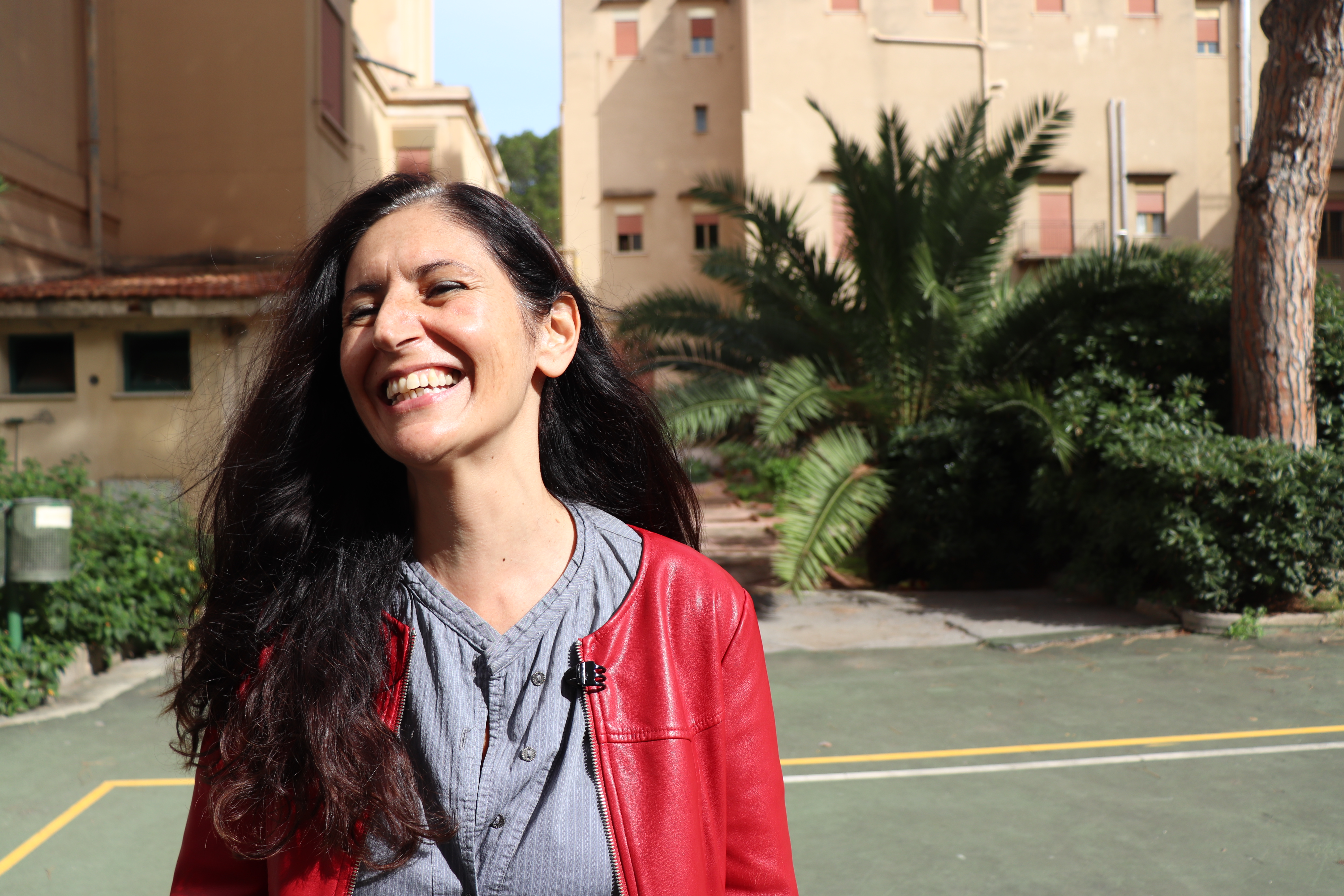
Centro Penc is hidden in the basement of a school in Palermo. From the outside, there is nothing that can betray that there are traumatised women inside. “This is the place where women and girls come together with their children”, says Monti. “The women share their desires and dreams, but also their pain.”
The hall of arrival has been cheerfully painted by one of the daughters of the women, shows the director. We also see a wall with pictures of women who it’s all about, dressed in cultural clothing of their country of origin. “We organise multiple activities during the week. Such as computer science classes, yoga and an afternoon to cook,” she explains. For the children of the women, there is homework tutoring and childcare in the building. “We are very proud of our computer science classes. There is a woman who organises them. At first, she was very lonely. But now she teaches these women how to empower themselves to get their own life back.”
The women love the cooking activities, knows Monti. “Every Friday afternoon, our Italian women cook together with the migrant women. That way, they get to know the Italian kitchen.” It is not only a fun activity, it is also practical. “Children of migrant women grew up here and prefer eating Italian food. But a lot of women do not know how to cook the Italian way. That is why we organised a workshop to learn to cook the Sicilian delicacy arancini. This way, we introduce the mothers with local dishes.” Saturday is also all about food, but at the same time they introduce each other to their cultures,” explains Monti. “Every time, it is a party. We eat and dance. One week we eat a Nigerian dish, the other week we eat something Bangladeshi. Everyone is proud to show their own culture like this.”
The women do not only come here for day-care, there is also room for the tough work. “We offer psychological help. Therefore, we work with two cultural mediators. It is very important that the women can speak in their own dialect. The mediators speak French and English, but also certain
African- dialects.
Victims of human trafficking, like the women who get help from Osas Egbon, also visit Monti at Centro Penc. “Women who get themselves out of their situation need help, otherwise there is a big chance they will return to their mamas and will fall into the hands of human trafficking again. Many of them gave a religious oath to a priest in Nigeria, where they promise to be loyal to their human traffickers. A complex problem, whereby teamwork is necessary. We need a network of professionals to support this group.”
Monti emphasizes the importance of a safe place for traumatized women. “During my clinical job, a lot of men and boys come by. Very few women and girls knock on my door, but I could not understand that they would not need any help,” she explains. It is hard for women to take the step to ask for help, for example, in a domestic violence situation. “Therefore, it is for many organizations hard to get in touch with them, because of language barriers or having trouble gaining their trust.”
During the pandemic, Monti saw the request for help decrease – and not because they did not need help – while their vulnerability increased. “That is why I decided to create this safe space, with the help of the International Rescue Committee (IRC) and UNICE.”
This production has been made as parts of VersPers Reizen. Made possible by the Steunfonds Freelance Journalisten.
Gerelateerde artikelen
Angels of Palermo – Part 3
The Dutch feminist magazine OPZIJ talks to Osas Egbon, Maria Chiara Monti and Masuma Akther...
lees verder
Angels of Palermo – part 1
From town square Quattro Canti to the multicultural district Ballarrò; the capital city of Sicily,...
lees verder
De smaak van migratie in Palermo
Hoe migratie in Palermo culinair nationalisme in Italië doorbreekt
lees verder